
Introduction
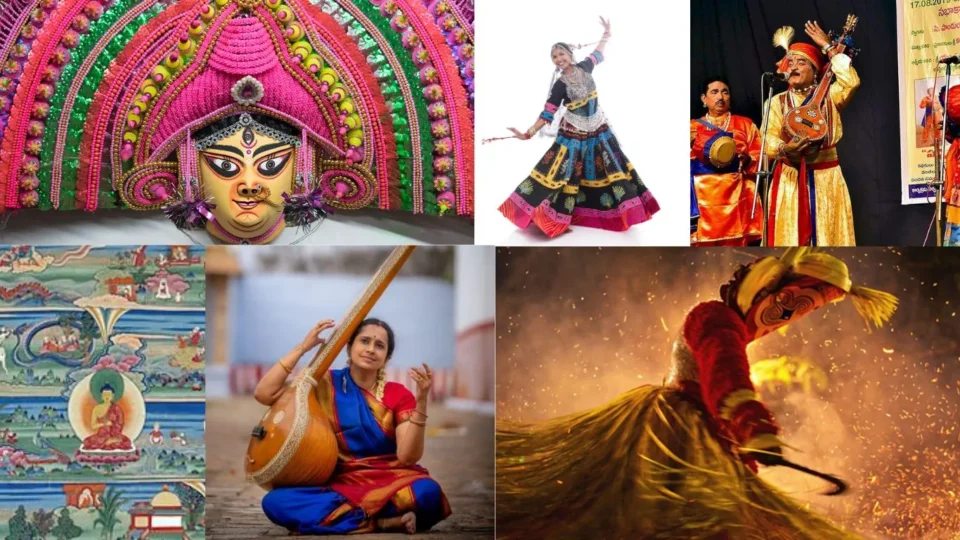
Mythology holds a significant place in Indian culture, intricately woven into the fabric of daily life, spirituality, and national identity. It serves not just as a collection of ancient tales, but as a source of moral values, social norms, and cultural practices. From the epics of the Ramayana and Mahabharata to a plethora of regional folklore, mythology shapes how people view themselves, their history, and their relationship with the world around them. In this blog, we will explore how mythology influences various aspects of Indian cultural identity.
1. Foundations of Values and Morals
Indian mythology is rich with stories that impart moral lessons and ethical values. These narratives often depict the struggles between good and evil, righteousness (dharma), and the consequences of one’s actions (karma).
Key Examples:
- Ramayana: The tale of Lord Rama is not just a story of heroism; it embodies ideals of duty, honor, and devotion. Rama’s commitment to dharma serves as a moral compass for many, inspiring individuals to lead virtuous lives.
- Mahabharata: This epic explores complex themes such as justice, duty, and familial loyalty. Characters like Yudhishthira, who represents truth, and Arjuna, who struggles with moral dilemmas, provide nuanced perspectives on ethical decision-making.
These narratives reinforce values that resonate within families and communities, shaping the moral fabric of society.
2. Cultural Practices and Festivals
Mythology is deeply embedded in the cultural practices and festivals celebrated across India. Each festival often has mythological roots that explain its significance and the rituals involved.
Key Festivals:
- Diwali: Celebrated as the victory of light over darkness, Diwali commemorates the return of Lord Rama to Ayodhya after defeating Ravana. The rituals of lighting diyas (lamps) symbolize the triumph of good.
- Holi: This festival of colors has its roots in the legend of Holika and Prahlad, representing the victory of devotion over evil. The celebratory aspect of Holi fosters community spirit and joy.
- Navaratri: Dedicated to the worship of the goddess Durga, Navaratri celebrates her victory over the buffalo demon Mahishasura, symbolizing the triumph of good over evil and the power of feminine energy.
These festivals not only mark significant mythological events but also foster social bonds, promoting unity and shared cultural identity among diverse communities.
3. Artistic Expressions
Mythology has inspired countless forms of artistic expression in India, from dance and music to visual arts and literature. Traditional art forms often draw from mythological themes, characters, and stories.
Key Art Forms:
- Dance: Classical dance forms like Bharatanatyam, Kathak, and Odissi depict mythological stories through intricate movements and expressions. Dancers often portray gods, goddesses, and epic heroes, bringing these narratives to life.
- Paintings: Styles such as Warli and Madhubani art often feature mythological themes, showcasing deities, rituals, and legendary tales. These art forms serve to preserve cultural narratives while providing insight into local beliefs and practices.
- Literature: Modern Indian literature continues to draw inspiration from mythology, reinterpreting ancient tales in contemporary contexts. Authors like Amish Tripathi and Devdutt Pattanaik have popularized mythological themes, making them accessible to modern readers.
Through these artistic expressions, mythology becomes a living tradition, continually influencing cultural identity.
4. Spiritual Beliefs and Practices
Mythology plays a crucial role in shaping spiritual beliefs and practices in India. The diverse pantheon of gods and goddesses, each with their own stories, fosters a rich spiritual landscape.
Key Practices:
- Worship: The myriad deities in Hindu mythology, such as Krishna, Shiva, and Lakshmi, represent different aspects of life and nature. Devotees often seek blessings from these deities, reinforcing their connection to mythology.
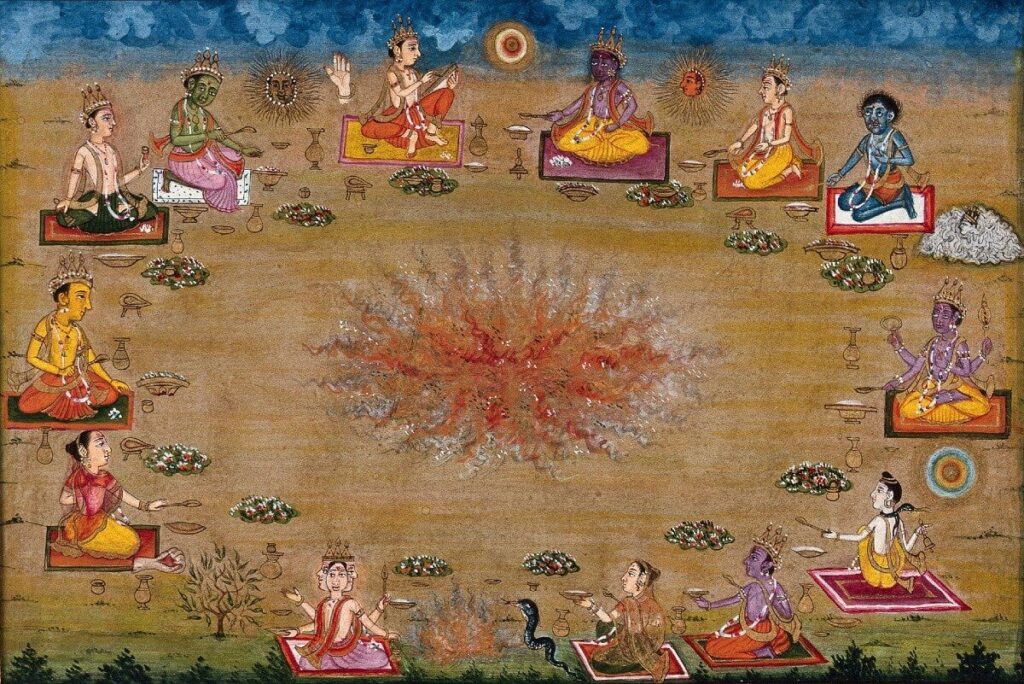
- Rituals: Many rituals, such as puja (worship) and yagna (fire offerings), are steeped in mythological significance, connecting individuals to the divine and fostering a sense of belonging within the community.
Mythology thus becomes a source of spiritual guidance, providing individuals with frameworks for understanding their existence and their place in the universe.
5. National Identity
Mythology has also contributed to shaping India’s national identity, particularly in the context of its diverse cultures and histories. The shared myths and legends create a sense of unity among the people.
Key Aspects:
- Symbol of Unity: Epics like the Ramayana and Mahabharata are not just religious texts; they are cultural treasures that are revered across the country. They foster a shared heritage, allowing people from different regions to connect with a common narrative.
- Cultural Resilience: Mythological tales often reflect the struggles and triumphs of the Indian people throughout history, instilling a sense of pride and resilience. The stories of heroes and heroines inspire generations, reinforcing a collective cultural identity.
The revival of interest in mythology during the independence movement also served as a rallying point for national unity, drawing from shared cultural roots to inspire a sense of purpose and identity.
Conclusion
Mythology plays a pivotal role in shaping Indian cultural identity, influencing values, practices, arts, spirituality, and national consciousness. As an ever-evolving narrative, mythology continues to inspire and guide individuals in their everyday lives while fostering a sense of belonging and unity among diverse communities. In a rapidly changing world, the timeless tales of Indian mythology remind us of our roots and the rich heritage that shapes who we are today. Embracing these stories is essential for understanding and preserving India’s cultural identity for future generations.

438 comments