
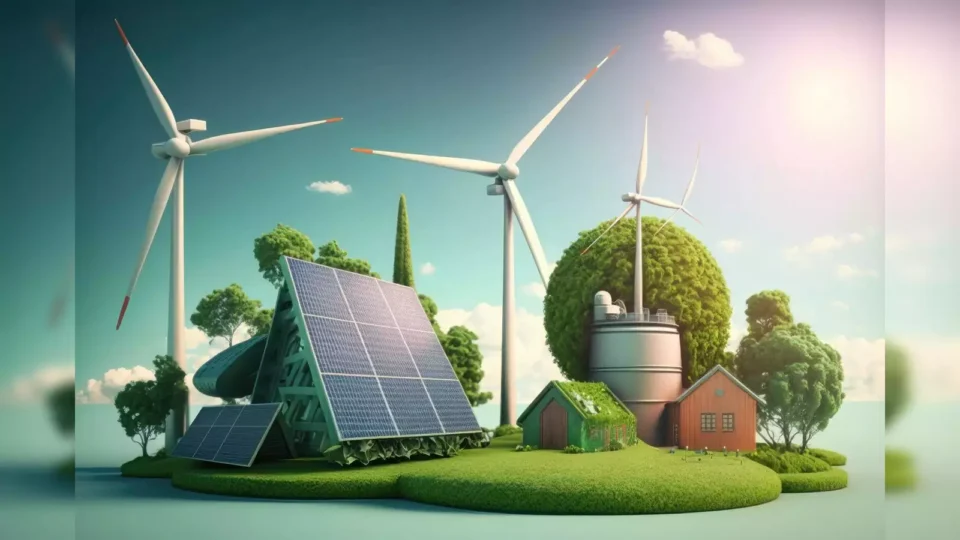
India is at the forefront of the global movement toward green energy as the country strives to meet its growing energy demands while minimizing environmental impact. With an increasing focus on renewable energy, India is making significant strides in transitioning away from fossil fuels to more sustainable energy sources like solar, wind, hydropower, and biomass.
The nation’s commitment to building a sustainable future through green energy is not only transforming its energy landscape but also positioning India as a leader in the global clean energy transition.
1. India’s Green Energy Goals
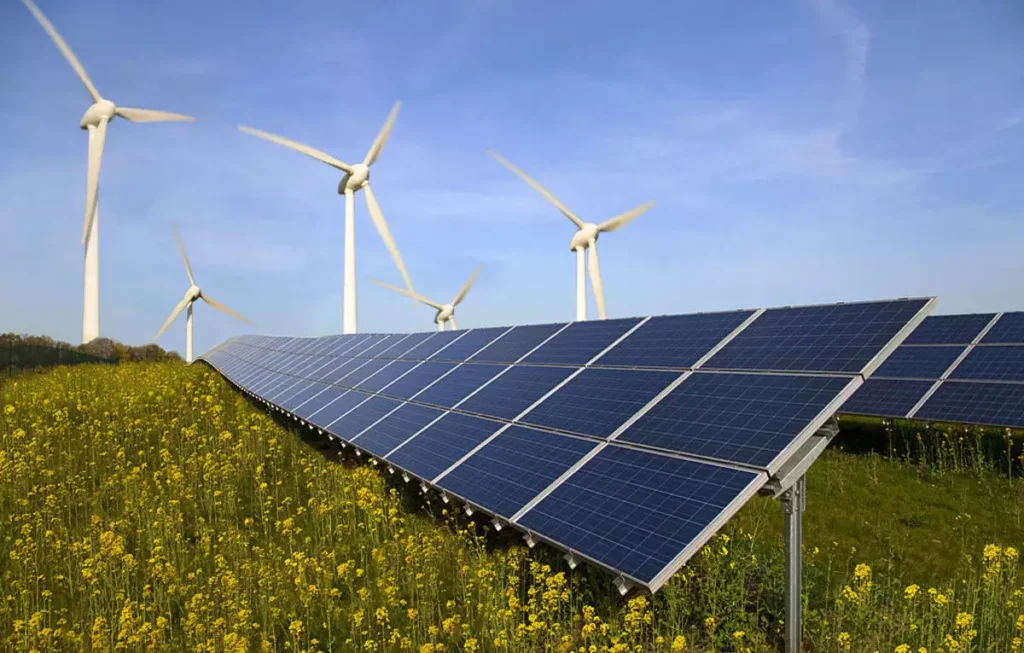
India has set ambitious renewable energy targets, with a key focus on reducing carbon emissions and increasing its reliance on clean energy. As part of its international commitments, especially under the Paris Agreement, India aims to achieve 500 GW of renewable energy capacity by 2030. The country also strives to generate 50% of its total energy from non-fossil fuel sources by the same year.
India’s approach to green energy involves a mix of policy initiatives, technological innovation, and strong private sector involvement, which together drive the growth of renewable energy infrastructure across the country.
Key Green Energy Targets:
- 500 GW of renewable energy capacity by 2030.
- 50% of energy from non-fossil fuel sources.
- Significant reduction in carbon emissions intensity.
2. Solar Energy: Powering the Future
Solar energy is at the heart of India’s renewable energy mission. With its abundant sunlight, the country has vast potential to harness solar power, and it is rapidly scaling up its solar capacity. India’s Solar Mission is one of the largest initiatives in the world, with an aim to achieve 280 GW of solar energy by 2030.
Massive solar parks, such as the Bhadla Solar Park in Rajasthan, have already made India one of the largest producers of solar energy globally. Rooftop solar installations are also being promoted across urban and rural areas, allowing households and businesses to contribute to the green energy transition.
Solar Power Highlights:
- Bhadla Solar Park: One of the world’s largest solar parks.
- Rooftop solar initiatives for homes and businesses.
- Target of 280 GW solar capacity by 2030.
3. Wind Energy: Harnessing Nature’s Power
Wind energy is another key component of India’s renewable energy mix. The country has some of the world’s best wind resources, particularly in coastal regions like Gujarat, Tamil Nadu, and Maharashtra. India is currently the fourth-largest wind energy producer in the world, with a capacity of over 40 GW.
India’s focus on offshore wind farms is growing, with plans to expand wind energy production by tapping into oceanic wind potential. Wind energy offers a reliable and scalable alternative to fossil fuels, reducing India’s carbon footprint and boosting its renewable energy capacity.
Wind Energy Highlights:
- 4th largest wind energy producer globally.
- Strong potential in coastal states like Gujarat and Tamil Nadu.
- Plans for expanding offshore wind farms.
4. Hydropower: Traditional Renewable Energy Source
India has long relied on hydropower as a renewable energy source. With its numerous rivers and large water bodies, hydropower contributes significantly to the country’s energy mix. India’s hydropower capacity currently stands at around 46 GW, with a vision to further develop small and large hydropower projects.
While hydropower is a clean energy source, it must be carefully managed to ensure that environmental and social impacts, such as displacement and biodiversity loss, are minimized.
Hydropower Highlights:
- Significant contributor to India’s renewable energy mix.
- 46 GW of installed hydropower capacity.
- Focus on sustainable management of water resources.
5. Biomass Energy: Utilizing Agricultural Waste
Biomass energy offers a unique way for India to generate electricity using agricultural and organic waste. By converting biomass into energy, India can reduce its dependence on fossil fuels while also addressing agricultural waste management issues.
Biogas plants and biofuel production are becoming popular, especially in rural areas, where agricultural residues like rice husks, sugarcane waste, and cow dung are plentiful. Biomass energy contributes to cleaner energy production and supports rural economies by providing alternative income sources for farmers.
Biomass Energy Highlights:
- Biogas plants for rural energy needs.
- Utilizing agricultural waste to generate power.
- Reducing dependence on fossil fuels.
6. Policy Support for Green Energy
India’s rapid adoption of green energy is largely driven by supportive government policies and incentives. The National Solar Mission, wind energy auctions, and tax incentives for renewable energy projects have created a favorable environment for investment in clean energy.
The government’s Ujwal DISCOM Assurance Yojana (UDAY) aims to reform electricity distribution companies and improve financial stability, allowing them to adopt more renewable energy. Additionally, initiatives like PM-KUSUM promote solar energy adoption among farmers, enabling them to generate their own electricity and sell the surplus to the grid.
Key Policies:
- National Solar Mission for solar energy expansion.
- Wind energy auctions to attract investment.
- PM-KUSUM for solar adoption by farmers.
7. Challenges to Overcome
While India has made impressive progress in green energy, several challenges remain. The intermittent nature of solar and wind power requires the development of efficient energy storage systems to ensure a reliable power supply. Additionally, the integration of renewable energy into the existing grid infrastructure poses logistical and technical challenges.
India also needs to focus on creating more skilled jobs in the renewable energy sector and ensuring that local communities benefit from green energy projects without facing environmental or social harm.
Key Challenges:
- Energy storage for intermittent renewable sources.
- Integration of renewable energy into the national grid.
- Ensuring equitable development for local communities.
8. The Road Ahead: A Sustainable Future
India’s journey toward a sustainable energy future is well underway, with significant growth in solar, wind, hydropower, and biomass sectors. As the country continues to invest in renewable energy infrastructure, innovation, and policies, it is expected to become one of the largest green energy producers in the world.
The shift to green energy is not only crucial for India’s climate goals but also for creating green jobs, improving public health, and ensuring energy security. By embracing renewable energy, India is paving the way for a cleaner, greener, and more sustainable future.
The Future:
- Scaling up solar, wind, and biomass capacity.
- Developing advanced energy storage solutions.
- Creating more green jobs and sustainable communities.
Conclusion
India’s commitment to green energy is driving a revolution in how the country generates power, reduces its carbon footprint, and builds a sustainable future. With its vast potential for solar, wind, and biomass energy, coupled with supportive government policies, India is on the path to becoming a global leader in renewable energy. The nation’s focus on sustainable development is not just transforming its energy sector but is also ensuring that future generations inherit a healthier planet.

1,254 comments