
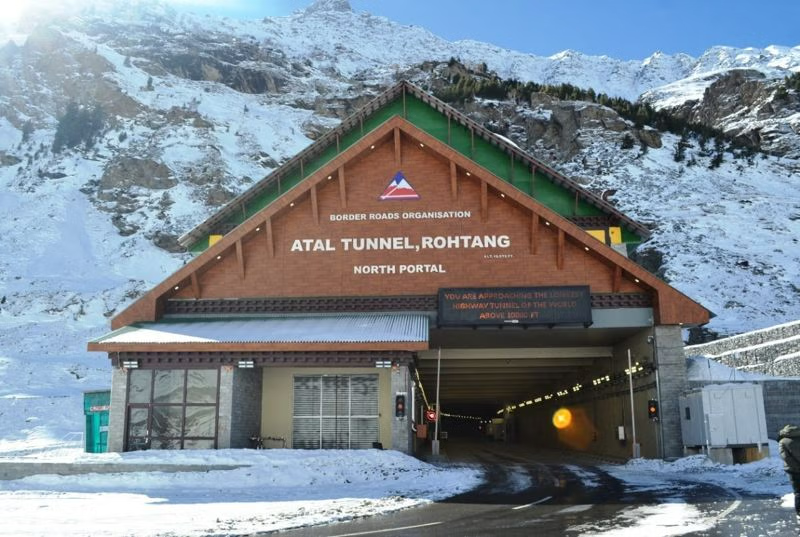
The Atal Tunnel, named after former Indian Prime Minister Atal Bihari Vajpayee, is a remarkable feat of engineering. This strategic tunnel, located in the Indian state of Himachal Pradesh, connects Manali to the Lahaul-Spiti Valley, making year-round travel possible for the first time.
What is the Atal Tunnel?
The Atal Tunnel is the world’s longest highway tunnel above 10,000 feet. Spanning 9.02 kilometers, it runs through the Pir Panjal range of the Himalayas. This tunnel significantly reduces the distance between Manali and Leh, making travel faster and safer.
Key Features:
- Length: 9.02 kilometers
- Altitude: 3,000 meters (10,000 feet) above sea level
- Type: Single-tube, double-lane
- Construction Time: Approximately 10 years
Historical Background
The idea of the Atal Tunnel was first conceived in 1983. However, it wasn’t until Atal Bihari Vajpayee’s tenure as Prime Minister that the project gained momentum. Construction began in earnest in 2010 under the Border Roads Organisation (BRO).
Key Milestones:
- 2002: Vajpayee announced the project.
- 2010: Construction commenced.
- 2020: Tunnel inaugurated by Prime Minister Narendra Modi.
Engineering Challenges
Building a tunnel in the harsh and unpredictable environment of the Himalayas posed numerous challenges. Engineers had to deal with extreme weather conditions, difficult terrain, and frequent landslides.
Solutions Implemented:
- Innovative Technology: Advanced tunneling techniques were used to ensure safety and stability.
- Climate Control: The tunnel includes a ventilation system to manage air quality and temperature.
- Disaster Management: Equipped with emergency exits and fire safety measures.
Strategic Importance
The Atal Tunnel has immense strategic importance, both militarily and economically. It provides the Indian armed forces with easier access to the border areas, enhancing national security. Economically, it boosts tourism and trade by improving connectivity.
Key Benefits:
- Reduced Travel Time: Cuts travel time between Manali and Leh by 4 to 5 hours.
- Year-Round Access: Ensures all-weather connectivity to the Lahaul-Spiti Valley.
- Economic Boost: Promotes tourism and trade in the region.
Technological Advancements
The Atal Tunnel incorporates several technological advancements to ensure efficiency and safety.
Key Technologies:
- Integrated Tunnel System: Manages traffic, ventilation, and lighting.
- Fire Safety: Equipped with fire hydrants and suppression systems.
- Emergency Response: Features emergency exits and communication systems.
Environmental Considerations
Constructing the tunnel involved careful environmental planning to minimize impact on the fragile Himalayan ecosystem. Measures were taken to manage waste, protect wildlife, and restore vegetation.
Environmental Measures:
- Waste Management: Proper disposal and recycling of construction waste.
- Wildlife Protection: Creating wildlife corridors to preserve animal habitats.
- Reforestation: Planting trees to compensate for vegetation loss.
The Atal Tunnel stands as a testament to India’s engineering prowess and determination. It not only improves connectivity and boosts the economy but also strengthens national security. This engineering marvel will continue to benefit the region for generations to come.

672 comments