
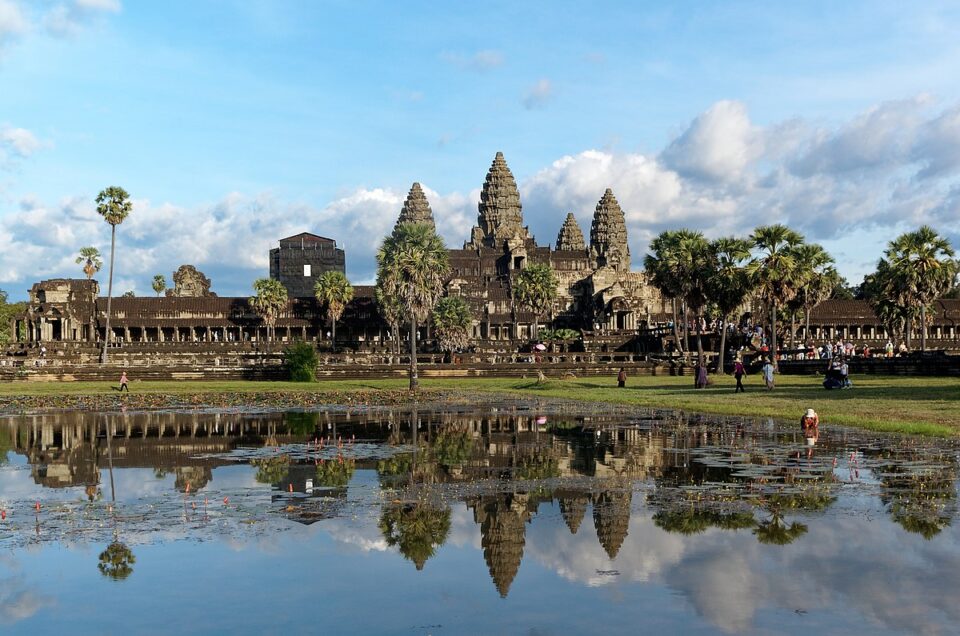
Indian architecture is a vivid blend of the ancient and the modern. It reflects India’s rich history, diverse cultures, and evolving aesthetics. From grand temples to sleek skyscrapers, it showcases the journey of a civilization that embraces both tradition and innovation.
Ancient Temples: The Roots of Indian Architecture
India’s architectural story starts with ancient temples. These structures are not just places of worship but also art and engineering masterpieces. They vary in style across regions and periods but share intricate carvings, towering spires, and deep symbolism.
- Dravidian Architecture: In South India, the Dravidian style stands out. It features massive pillars, detailed sculptures, and towering gateways called gopurams. The Brihadeeswarar Temple in Thanjavur and the Meenakshi Temple in Madurai are prime examples.
- Nagara Architecture: The Nagara style dominates North India. It is known for its curvilinear towers (shikharas) and rich ornamentation. The Sun Temple in Konark and Khajuraho temples highlight this style.
- Vesara Architecture: A mix of Dravidian and Nagara styles, Vesara architecture is found in Karnataka. The Hoysala dynasty’s temples, like the Chennakesava Temple in Belur, are known for their star-shaped platforms and detailed carvings.
Medieval and Mughal Influence: A Cultural Fusion
The medieval period introduced Islamic architecture to India. This era blended Persian, Turkish, and Indian elements, creating a unique style.
- Mughal Architecture: The Mughal emperors left a lasting mark with grand structures. The Taj Mahal, a wonder of the world, is the best example. It features perfect symmetry, marble inlays, and sprawling gardens. The Red Fort and Jama Masjid in Delhi also showcase Mughal grandeur.
- Rajput Architecture: In Rajasthan, the Rajputs combined Hindu and Islamic influences. Their forts and palaces, like the Amber Fort and City Palace in Jaipur, feature elaborate courtyards and intricate balconies.
Colonial Period: The British Influence
The colonial era brought European styles to India. British architecture left a significant impact, especially in urban centers.
- Victorian and Indo-Saracenic Architecture: The Victoria Memorial in Kolkata is a blend of classical European and Mughal styles. The Gateway of India in Mumbai and Rashtrapati Bhavan in Delhi mix Indian and Western elements.
Modern Architecture: A New Era
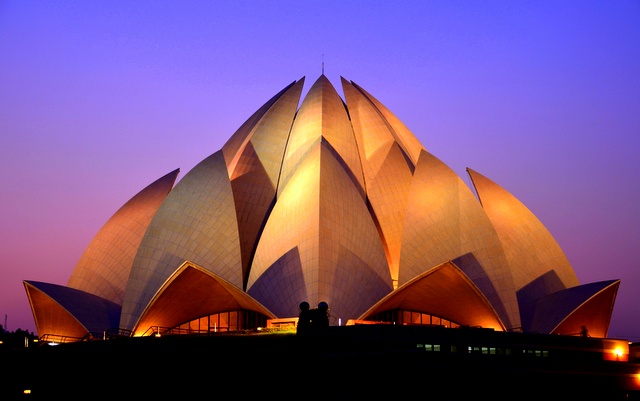
Post-independence, modern architecture in India took shape. This period focused on functionality, simplicity, and new materials like concrete, glass, and steel.
- Chandigarh: Designed by Le Corbusier, Chandigarh is India’s first planned city. Its clean lines and open spaces represent a shift from traditional architecture.
- Skyscrapers and High-Rises: Urbanization brought a boom in tall buildings. The Lotus Temple in Delhi and the Antilia building in Mumbai are examples of modern Indian architecture.
Sustainable Architecture: The Future
Sustainable architecture is gaining ground in India. Architects are using traditional methods and materials for eco-friendly buildings.
- Green Buildings: The Indian Green Building Council promotes sustainable practices. Buildings like Suzlon One Earth in Pune set benchmarks for energy efficiency.
Conclusion
Indian architecture reflects the country’s rich history and dynamic future. From ancient temples to modern marvels, it captures the essence of a civilization that values tradition and embraces innovation. As India continues to grow, its architecture will inspire the world.

31 comments
… [Trackback]
[…] Read More on to that Topic: indiaontherise.com/indian-architecture-from-ancient-temples-to-modern-marvels/ […]
… [Trackback]
[…] Find More Info here to that Topic: indiaontherise.com/indian-architecture-from-ancient-temples-to-modern-marvels/ […]
… [Trackback]
[…] Read More on that Topic: indiaontherise.com/indian-architecture-from-ancient-temples-to-modern-marvels/ […]
… [Trackback]
[…] Find More on that Topic: indiaontherise.com/indian-architecture-from-ancient-temples-to-modern-marvels/ […]
… [Trackback]
[…] Read More Info here on that Topic: indiaontherise.com/indian-architecture-from-ancient-temples-to-modern-marvels/ […]
… [Trackback]
[…] Find More on that Topic: indiaontherise.com/indian-architecture-from-ancient-temples-to-modern-marvels/ […]
… [Trackback]
[…] Find More on on that Topic: indiaontherise.com/indian-architecture-from-ancient-temples-to-modern-marvels/ […]
… [Trackback]
[…] Here you can find 56284 more Info to that Topic: indiaontherise.com/indian-architecture-from-ancient-temples-to-modern-marvels/ […]
… [Trackback]
[…] Read More Info here on that Topic: indiaontherise.com/indian-architecture-from-ancient-temples-to-modern-marvels/ […]
… [Trackback]
[…] Here you can find 23568 more Info on that Topic: indiaontherise.com/indian-architecture-from-ancient-temples-to-modern-marvels/ […]
… [Trackback]
[…] Read More to that Topic: indiaontherise.com/indian-architecture-from-ancient-temples-to-modern-marvels/ […]
… [Trackback]
[…] Read More Information here to that Topic: indiaontherise.com/indian-architecture-from-ancient-temples-to-modern-marvels/ […]
… [Trackback]
[…] Find More to that Topic: indiaontherise.com/indian-architecture-from-ancient-temples-to-modern-marvels/ […]
… [Trackback]
[…] Read More Information here on that Topic: indiaontherise.com/indian-architecture-from-ancient-temples-to-modern-marvels/ […]
… [Trackback]
[…] There you will find 85892 more Information on that Topic: indiaontherise.com/indian-architecture-from-ancient-temples-to-modern-marvels/ […]
… [Trackback]
[…] Info to that Topic: indiaontherise.com/indian-architecture-from-ancient-temples-to-modern-marvels/ […]
… [Trackback]
[…] Read More to that Topic: indiaontherise.com/indian-architecture-from-ancient-temples-to-modern-marvels/ […]
… [Trackback]
[…] Info to that Topic: indiaontherise.com/indian-architecture-from-ancient-temples-to-modern-marvels/ […]
… [Trackback]
[…] Info on that Topic: indiaontherise.com/indian-architecture-from-ancient-temples-to-modern-marvels/ […]
… [Trackback]
[…] Find More to that Topic: indiaontherise.com/indian-architecture-from-ancient-temples-to-modern-marvels/ […]
… [Trackback]
[…] Info on that Topic: indiaontherise.com/indian-architecture-from-ancient-temples-to-modern-marvels/ […]
… [Trackback]
[…] Info on that Topic: indiaontherise.com/indian-architecture-from-ancient-temples-to-modern-marvels/ […]
… [Trackback]
[…] Read More Information here to that Topic: indiaontherise.com/indian-architecture-from-ancient-temples-to-modern-marvels/ […]
… [Trackback]
[…] Find More on on that Topic: indiaontherise.com/indian-architecture-from-ancient-temples-to-modern-marvels/ […]
… [Trackback]
[…] Read More Info here on that Topic: indiaontherise.com/indian-architecture-from-ancient-temples-to-modern-marvels/ […]
… [Trackback]
[…] Read More to that Topic: indiaontherise.com/indian-architecture-from-ancient-temples-to-modern-marvels/ […]
… [Trackback]
[…] Find More on that Topic: indiaontherise.com/indian-architecture-from-ancient-temples-to-modern-marvels/ […]
… [Trackback]
[…] Read More Info here on that Topic: indiaontherise.com/indian-architecture-from-ancient-temples-to-modern-marvels/ […]
… [Trackback]
[…] Info to that Topic: indiaontherise.com/indian-architecture-from-ancient-temples-to-modern-marvels/ […]
… [Trackback]
[…] Read More to that Topic: indiaontherise.com/indian-architecture-from-ancient-temples-to-modern-marvels/ […]
… [Trackback]
[…] Read More Info here on that Topic: indiaontherise.com/indian-architecture-from-ancient-temples-to-modern-marvels/ […]