
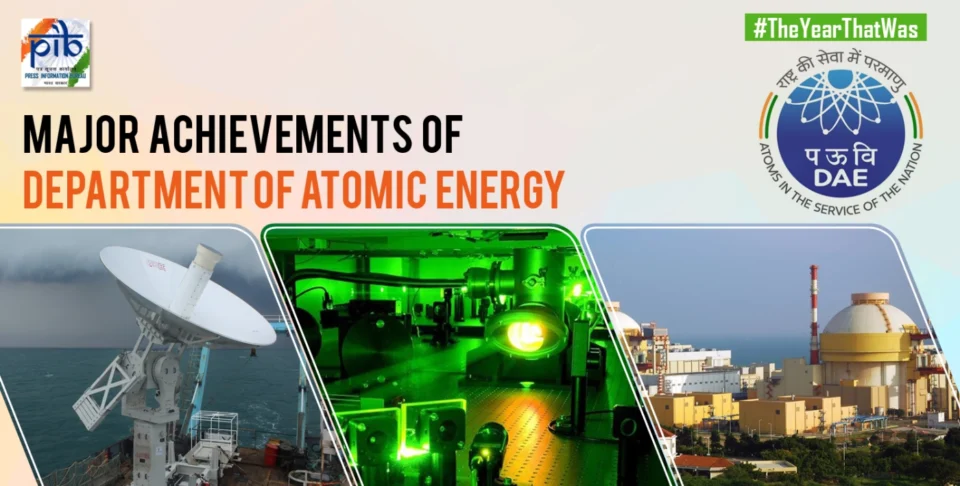
India’s journey in nuclear sciences is nothing short of remarkable. With relentless determination and visionary leadership, India has emerged as a key player in the global nuclear arena. From peaceful nuclear energy applications to groundbreaking technological advancements, India’s achievements in nuclear sciences reflect its unwavering commitment to progress and innovation. Let’s dive into the inspiring story of India’s nuclear success.
Early Vision and Leadership
It all started in 1948 when the Atomic Energy Commission was established under the brilliant Dr. Homi J. Bhabha. Often called the father of India’s nuclear program, Dr. Bhabha’s visionary leadership laid the foundation for a robust and self-reliant nuclear research framework.
Bhabha Atomic Research Centre (BARC)
In 1954, the Bhabha Atomic Research Centre (BARC) was established in Mumbai. This institution became the heart of India’s nuclear research, driving innovations in reactors, fuel cycles, and radiation applications. BARC’s contributions have been pivotal in propelling India to the forefront of nuclear technology.
Pioneering Nuclear Energy
1. Apsara – The First Spark: In 1956, India made history by commissioning Apsara, Asia’s first nuclear reactor. This milestone marked India’s entry into the world of nuclear power generation.
2. Tarapur Atomic Power Station: Established in 1969, Tarapur was India’s first commercial nuclear power plant. It paved the way for more nuclear facilities, showcasing India’s growing expertise in nuclear energy.
3. Indigenous Reactors – PHWRs: India developed Pressurized Heavy Water Reactors (PHWRs), utilizing locally available thorium and uranium. This innovation highlighted India’s ability to build and operate reactors independently, a testament to its self-reliance.
Strategic Nuclear Weapons Program
1. Smiling Buddha: In 1974, India conducted its first nuclear test, codenamed ‘Smiling Buddha,’ at Pokhran. This bold move established India as a nuclear-armed state, showcasing its strategic capabilities.
2. Pokhran-II Tests: In 1998, India conducted a series of nuclear tests, known as Pokhran-II. These tests cemented India’s position as a nuclear weapons state and demonstrated its advanced nuclear technology.
Technological Marvels
1. Fast Breeder Reactor (FBR) Program: India has developed Fast Breeder Reactors (FBRs), which generate more fissile material than they consume. This technology ensures the sustainability of nuclear fuel resources.
2. Thorium-Based Reactors: With abundant thorium reserves, India is pioneering thorium-based reactors. The Advanced Heavy Water Reactor (AHWR) showcases India’s innovative approach to utilizing thorium for energy.
3. Radiation Technology: India has harnessed nuclear technology in medicine, agriculture, and industry. Radiation techniques are used for cancer treatment, food preservation, and materials testing, reflecting the versatile applications of nuclear science.
Global Collaborations and Agreements
1. Indo-US Civil Nuclear Agreement: Signed in 2008, this landmark agreement allowed India to engage in civilian nuclear trade, enhancing access to nuclear fuel and technology.
2. International Memberships: India is a member of the International Atomic Energy Agency (IAEA), adhering to global nuclear safety and non-proliferation standards. This commitment underscores India’s responsible nuclear stance.
Future Aspirations
India’s nuclear ambitions are far from over. The country aims to significantly expand its nuclear power capacity, establishing new reactors and enhancing its energy mix. International collaborations will continue to play a crucial role, bringing global expertise to Indian soil.
Conclusion
India’s achievements in nuclear sciences are a source of immense pride. From pioneering reactors to groundbreaking technological advancements, India’s journey is a testament to its scientific excellence and strategic foresight. As India continues to innovate and expand its nuclear capabilities, it stands tall as a beacon of progress, contributing to global energy security, technological advancement, and international cooperation.

1,169 comments